|
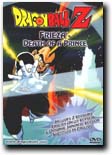
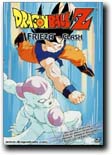
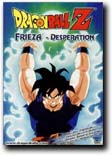
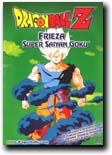
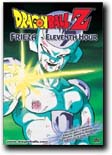
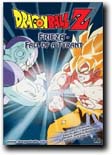
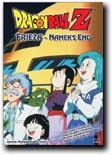
The first few Frieza discs have the wrong animation for the opening theme, "CHA-LA HEAD-CHA-LA" (using the third "Android"-era animation rather than the appropriate second animation).
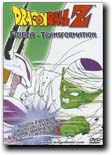
The second disc in this series, Transformation, continues the line of strange episode numbering by FUNimation. English dub episode 65 is actually two episodes (65a, "Gohan Attacks," and 65b, "Piccolo, the Super Namek"). The two episodes were originally edited together for broadcast on Cartoon Network due to the excessive graphic nature (and length) of a particular scene in which Kuririn is impaled by Freeza with one of his horns. These episodes are presented uncut on DVD, but the episode numbering of the dub follows the edited version, so it is not immediately obvious. This is why "three" English episodes are listed alongside the four original Japanese episodes.
After an episode is played, the disc defaults back to an episode menu. There is no "Play All" feature to watch all of the episodes in a row without additional remote use.
FUNimation has issued a statement saying that not all Frieza discs are guaranteed to work properly in either the PS2 or Xbox home video game consoles. Users of these consoles for the playback of DVDs should beware.
There was never a box set released for the ten individual Frieza discs. There had been rumors floating around that FUNimation would be remastering these discs to fix issues (such as episode navigation, eye-catches, theme songs, etc.), but nothing further was ever officially announced. However, many fans report purchasing these discs many years later with corrected features (such as surrounding OP/ED themes); it is assumed FUNimation did another "silent correction release" with many of these discs.
Continuing onwards with their success from before, FUNimation's "remastered" DBZ Season Three box set saw its release to DVD (entirely replacing the original run of "Series #3" & "Series 4", and with updated subtitle translations). Touted as a complete remastering, this release was produced in a (cropped) widescreen presentation with a "remastering" process by Video Post & Transfer in Texas. Despite FUNimation's claims, the set is indeed cropped (missing approximately 20% of its vertical resolution while only gaining approximately 5% of its horizontal resolution), it is not remastered frame-by-frame from its original film, and the color has been adjusted. Of note is the inclusion of a new audio track, featuring FUNimation's traditional voice track (with minor line alterations where appropriate) played alongside the original Japanese musical score. FUNimation continued with this release style for the entirety of the DBZ TV series, marking the first time it had ever received a "consistent" release from beginning to end in North America. This release also negated the original numbering of episodes for their dub, and would provide a complete run of 291 episodes. |
|
|
TV SERIES VOLUME #21
Frieza: Transformation |
Released: 26 June 2001
Episodes: 64-66 English / 78-81 Japanese |
AVAILABILITY:
- Uncut, Bilingual (English / Japanese) with subtitles
- NOTE: This is the release with, on the dub side, two episodes that were edited together for American television broadcast. English dub episode 65 is actually two episodes (65a, "Gohan Attacks," and 65b, "Piccolo, the Super Namek"). These episodes are presented uncut and complete on this DVD.
|
|